
Managing a fleet means planning for every stage of a vehicle’s lifecycle, including resale. Businesses that use fleet vehicle remarketing services often gain a clearer path to recovering value from assets that are no longer needed. Understanding which vehicles qualify is the first step toward making informed, long-term decisions about fleet management.

Understanding Fleet Eligibility & Asset Categories
Fleet remarketing is not limited to one type of vehicle. It applies to a wide range of assets used across industries. Whether your fleet includes standard passenger vehicles or specialized equipment, many of these assets can qualify for resale programs. The key factors are not just the vehicle type but also its condition, usage history, and market demand. Well-maintained, properly documented vehicles tend to perform better during the remarketing process.
Common Vehicle Types & Their Remarketing Potential
Passenger Vehicles & Sedans
Company cars, sedans, and compact vehicles are among the most commonly remarketed assets. These vehicles often have broad appeal in the resale market due to their practicality and fuel efficiency. Their consistent demand makes them easier to transition through remarketing channels, especially when maintenance records are complete and up to date.
Light-Duty Trucks & Vans
Work trucks and service vans are also strong candidates for remarketing. These vehicles are frequently used in industries such as construction, delivery, and field services. Even with higher mileage, their utility can make them valuable in secondary markets where buyers prioritize function over aesthetics.
Specialty Vehicles & Equipment
Specialized units such as utility vehicles, refrigerated trucks, or modified service vehicles can also qualify. While their buyer pool may be more specific, they often hold strong value within niche markets. Proper evaluation and targeted remarketing strategies are important for maximizing returns on these types of assets.
Factors That Influence Qualification & Resale Value
Condition & Maintenance History
One of the most important factors in remarketing is the vehicle’s overall condition. Regular maintenance, clean records, and minimal damage can significantly improve resale outcomes. Buyers are more confident when they can see a clear history of care and upkeep.
Mileage & Usage Patterns
Mileage plays a role in determining value, but it is not the only factor. How the vehicle was used also matters. Consistent, predictable use is often viewed more favorably than irregular or heavy-duty strain. Understanding these details helps position the vehicle more effectively in the market.
Market Demand & Timing
Market conditions can influence which vehicles perform best during remarketing. Certain vehicle types may see higher demand depending on industry trends, seasonal needs, or economic factors. Timing the sale correctly can help maximize returns and reduce time spent in inventory.
Additional Fleet Types That Often Qualify & Why They Matter
Heavy-Duty Trucks & Commercial Vehicles
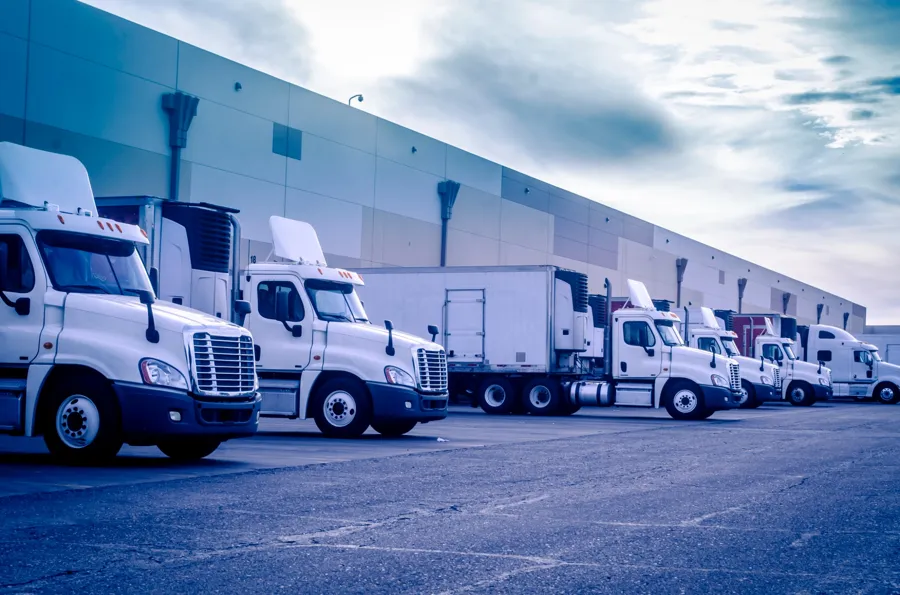
Heavy-duty trucks used for logistics, freight, or industrial work often retain value due to ongoing demand in transportation sectors. These vehicles may require more specialized buyers, but their utility keeps them relevant in resale markets.
With proper documentation and maintenance, even high-mileage units can attract strong interest.
Leased Vehicles & Rotational Fleet Assets
Leased vehicles that reach the end of their term are commonly remarketed. These assets are typically well-maintained and follow structured usage cycles, making them attractive to buyers.
Rotational fleet strategies often rely on remarketing to maintain efficiency and keep vehicle inventories up to date.
The Role of Data & Reporting in Remarketing Success
Tracking Performance & Vehicle History
Detailed records play a major role in remarketing outcomes. Maintenance logs, usage reports, and inspection data all contribute to how a vehicle is evaluated. Accurate information builds buyer confidence and supports better pricing during resale.
Using Insights to Improve Future Decisions
Remarketing is not just about selling current assets. It also provides insights into which vehicles perform best over time. These insights help businesses refine their fleet strategy, select better-performing models, and improve long-term asset management.
Common Challenges in Fleet Remarketing & How to Address Them
Inconsistent Vehicle Condition
Not all vehicles are maintained equally, which can impact resale value. Establishing consistent maintenance protocols helps ensure all assets are remarketed at their highest potential.
Delays in the Remarketing Process
Holding onto vehicles too long can reduce value. Acting at the right time is essential for maintaining strong resale performance. Having a clear plan in place helps streamline transitions and avoid unnecessary delays.
How Vehicle Preparation Impacts Resale & Buyer Interest
Inspection & Reconditioning Strategies
Before entering the remarketing process, proper vehicle preparation can make a noticeable difference in outcomes. A thorough inspection helps identify minor issues that can be addressed quickly, improving both presentation and value. Reconditioning does not always require major repairs. Simple steps like cleaning, addressing cosmetic wear, and ensuring basic functionality can increase buyer interest. When vehicles are presented in a ready-to-use condition, they tend to move faster through the market and attract more competitive offers.
Why Strategic Remarketing Matters & Long-Term Planning
Fleet remarketing is not just about selling vehicles. It is about creating a strategy that aligns with your overall business goals. By planning ahead, businesses can reduce downtime, improve asset turnover, and maintain a more efficient fleet. A structured approach allows you to evaluate which vehicles should be replaced, when to remarket them, and how to optimize value at every stage.

Maximize Returns with Fleet Vehicle Remarketing Services
Choosing the right approach to fleet vehicle remarketing services helps businesses recover value while maintaining operational efficiency. By understanding which vehicles qualify and how to position them in the market, you can make smarter decisions that support long-term success. At FLD, we work with businesses to create tailored remarketing strategies that align with their fleet goals. If you are ready to streamline your process and improve resale outcomes, connect with our team today and explore how fleet vehicle remarketing services can support your next phase of growth.